# 7 Social Media
Social media apps have transformed the way people communicate, with platforms like X, Instagram, and TikTok connecting users on a global scale. However, Yik Yak took a different approach. Launched in 2013, Yik Yak was a location-based, anonymous messaging app that allowed users to post and view short messages—known as “Yaks”—within a five-mile radius. The app gained massive popularity on college campuses across the United States, providing a unique way for students to share jokes, vent frustrations, and discuss campus events without revealing their identity. Despite its innovative concept, Yik Yak faced significant controversy, leading to its initial shutdown in 2017. However, in 2021, the app was revived, sparking conversations about anonymity, free speech, and digital responsibility.

Yik Yak’s core appeal was its anonymity. Unlike other platforms that focused on building personal brands and online personas, Yik Yak offered a break from social pressure. Users could post without creating a profile or attaching their name to their thoughts. For many college students, this meant they could express their opinions freely, ask questions they were too embarrassed to say out loud, or share humorous observations. This created a sense of community that was both hyper-local and uniquely candid.
However, with anonymity came significant downsides. Yik Yak was frequently criticized for enabling cyberbullying, hate speech, and threats of violence. Because posts were not tied to real identities, some users abused the platform to spread harmful content. Schools and universities struggled to regulate what was being said on the app, especially when posts targeted individuals or groups. In some cases, threats made on Yik Yak even led to lockdowns or police investigations. Despite efforts to introduce moderation tools and geofencing (limiting use in certain areas), the platform couldn’t overcome the damage to its reputation.
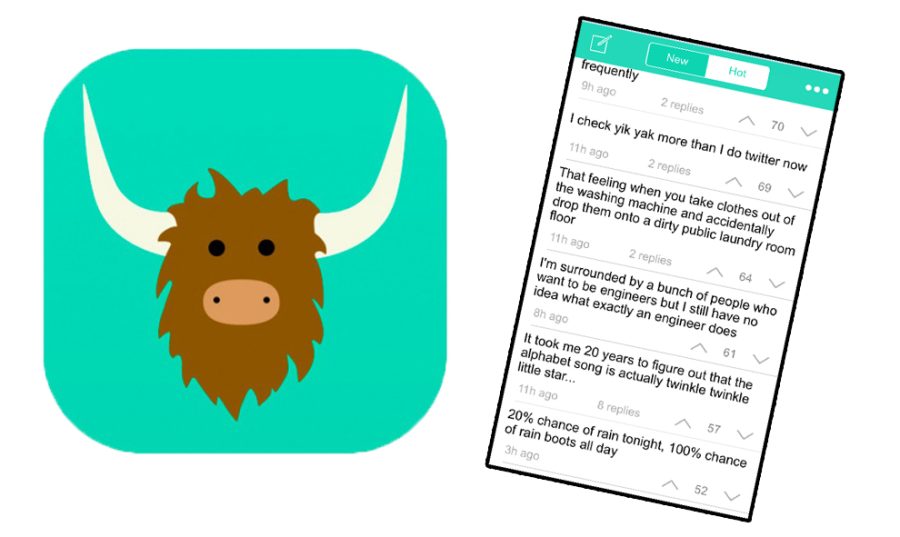
(Link in Image)
Yik Yak’s story reflects the broader challenges of social media in the digital age. While it offered a creative and community-driven platform for expression, its lack of accountability made it a breeding ground for harmful behavior. The app’s shutdown and revival show both the dangers and potential of anonymous platforms. If the new Yik Yak can learn from the past and prioritize user safety, it may once again carve out a meaningful space in the ever-evolving world of social media.


Comments
Post a Comment